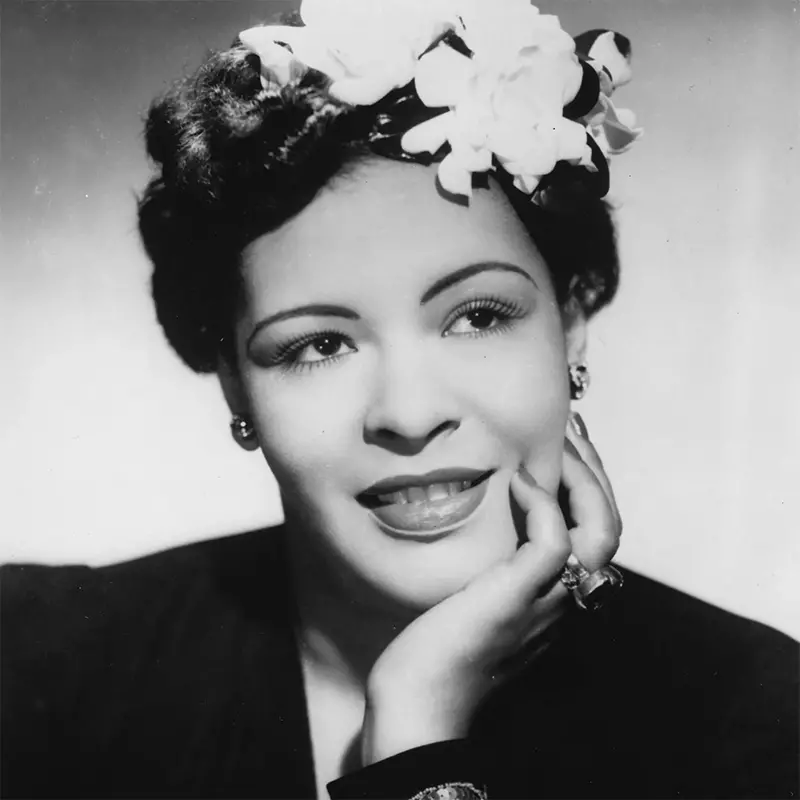
Influence Profile
No genre data available
Genre information will appear here once available
Trending in Billie Holiday’s World
Latest Album
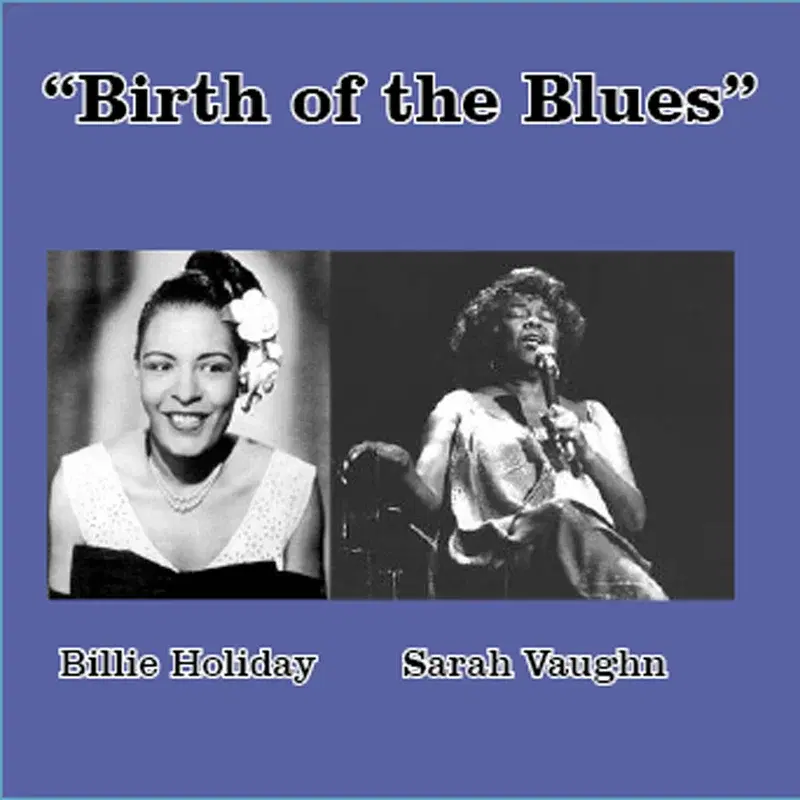
Birth of the Blues
Released Aug 13, 2013
Trending Globally
No trending songs available.
Story
Quick Facts
From
United States of America
United States of America
Journey
Billie Holiday remains a defining figure in jazz history, recognized for her distinctive interpretation of songs and her ability to bring personal meaning into every recording. Born Eleanora Fagan in 1915, she developed her artistic identity during a difficult early life that eventually led her toward music as a form of expression. Growing up in Baltimore, she became influenced by early jazz and blues recordings, drawing inspiration from artists who shaped the foundation of American popular music.
Holiday began performing in New York during the early 1930s, where her unique approach quickly attracted attention among musicians and producers. Her recording career started after producer John Hammond recognized her talent, introducing her to sessions that helped launch her professional journey. Through collaborations with artists such as Teddy Wilson and Lester Young, she became closely connected with the jazz community of the era and earned the nickname “Lady Day.”
Rather than relying on traditional vocal techniques, Holiday developed a style centered on interpretation, timing, and emotional nuance. She approached songs with the sensitivity of an instrumental performer, reshaping melodies through subtle changes in rhythm and expression. Her recordings, including “Strange Fruit,” “God Bless the Child,” “Lover Man,” and “Lady Sings the Blues,” became important works that reflected both artistic innovation and social awareness.
During the later stages of her career, Holiday continued recording despite personal difficulties and health challenges. Albums such as "Lady Sings the Blues" (1956) and "Lady in Satin" (1958) demonstrated her ability to communicate complex emotions through carefully chosen material and distinctive phrasing. Her performances continued to attract audiences who connected with the honesty and individuality of her musical approach.
Billie Holiday passed away in 1959, but her influence has continued across generations of singers in jazz, soul, and popular music. Her recordings remain important references for vocalists studying interpretation and expression. Through her contributions, Holiday established a unique place in music history, leaving behind a body of work that continues to represent artistic courage, individuality, and the enduring power of personal storytelling.
The awards and recognitions she received over her lifetime and beyond confirm the scale of her impact across multiple corners of American music. The Esquire Magazine Gold Award for Best Leading Female Vocalist recognized her standing during her active years, and four Grammy Awards, including a posthumous Grammy for Best Historical Album, affirmed the enduring value of her recordings. Induction into the Grammy Hall of Fame, the National Rhythm and Blues Hall of Fame, and the Rock and Roll Hall of Fame in 2000 established her place in the permanent record of popular music history.